
Imagine this: an employee spends eight hours a day in a wobbly chair, hunched over a desk that’s too low, in an office where files pile up faster than they can be found. It seems like a small inconvenience—something to shrug off—but these “minor” problems quietly drain time, energy, and focus every single day.
Most companies don’t realize that poorly designed workspaces aren’t just uncomfortable—they’re expensive. The losses don’t show up on invoices or spreadsheets, but they show up in slower work, distracted minds, and frustrated employees. And when you add those moments up across an entire team, the impact is bigger than most managers expect.
Why Workspace Quality Affects Productivity So Much
It’s easy to think of office furniture as a one-time purchase that “just needs to exist.” But in reality, the workspace is a tool, just like software or equipment—except it’s used all day, every day.
Business Office Outfitters, with over 65 years of experience helping customers create their ideal workspace, has identified four of the most common issues every workspace should take into consideration.
1. Physical discomfort slows people down
Uncomfortable chairs, improperly arranged desks, and bad lighting contribute to musculoskeletal strain, fatigue, and frequent micro-breaks. Research shows that ergonomic injuries are a significant cost to employers: ergonomic-related injuries account for a substantial portion of workplace illnesses, costing tens of billions of dollars per year.
2. Clutter kills concentration
A messy or poorly organized workspace isn’t just visually distracting—it slows down work. Employees waste time looking for documents, navigating around clutter, or dealing with inefficient storage setups. These inefficiencies may not always be tracked, but they have real costs.
3. Inefficient layouts create wasted movement
When printers, supplies, or tools are located far from where people work, even small delays add up. Poor spatial design in the office increases non-value-adding movements that compound over time. Design flaws like poor lighting, bad acoustics, and awkward furniture placement are known productivity killers.
4. Poor ergonomics increases absenteeism
Workspace-related strain and chronic pain can lead to more sick days. According to a study by Treston, improving ergonomics resulted in a 46% boost in productivity and substantial cost savings tied to reduced absence.
Additionally, poorly designed furniture contributes to higher rates of work-related injuries and longer-term health issues.

How Much Money Are Companies Losing?
Measuring productivity loss from poor workspace design can be tricky since much of the cost is hidden—but it’s substantial and growing.
1. Ergonomic Injuries Are Expensive
Workplace musculoskeletal disorders (MSDs) cost U.S. companies $45–$54 billion annually in medical bills, workers’ compensation, lost productivity, and presenteeism. Even a few injuries can cost tens of thousands yearly—and most are preventable with better workspace design.
2. Ergonomic Furniture Boosts Productivity
Introducing adjustable desks, ergonomic chairs, and improved workstations can increase productivity by ~17%. Employees complete tasks faster, make fewer errors, take fewer breaks, and experience less fatigue. Small changes—like monitor stands, lumbar support, or footrests—also improve efficiency.
3. Inefficient Layouts Waste Time and Money
Poorly organized spaces cost money through:
-
Wasted time walking to supplies or colleagues
-
Inefficient use of space, creating cramped or underused areas
-
Higher operating costs from extra heating, lighting, maintenance, or furniture replacement
Even a 5–10% productivity drop per employee can translate to $2,500–$5,000 lost annually per $50K employee, adding up quickly across a team. Working with a workspace design expert can minimize these losses.
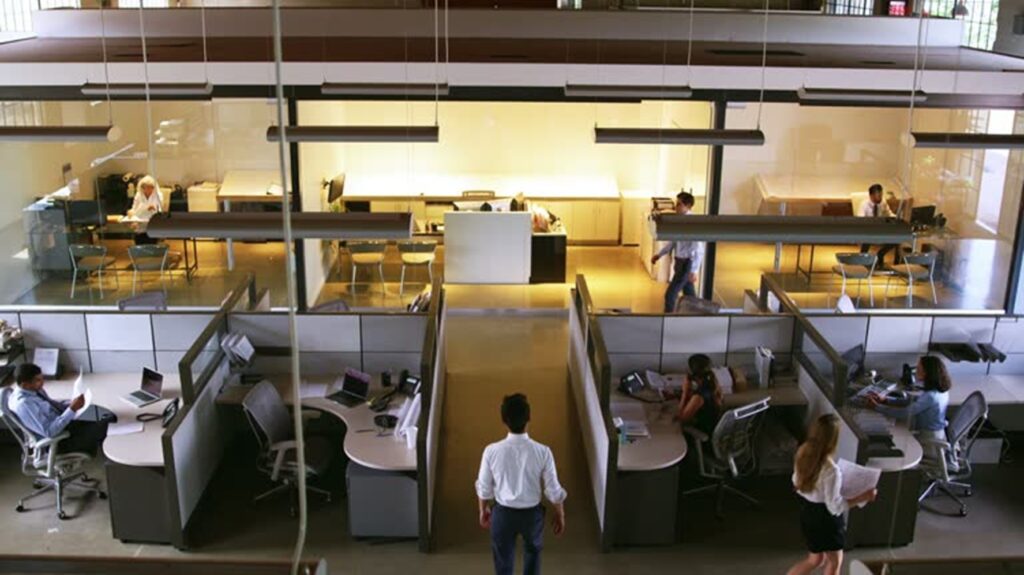
How Companies Can Improve Productivity Through Workspace Design
The good news? Many improvements are practical, relatively low-cost, and high-impact. Business Office Outfitters helps reduce long-term costs by improving key areas of your workspace—whether that means adding the right furniture, creating an efficient space plan, or upgrading office chairs with the best ergonomic recommendations available on the market.
Our team works with a wide range of trusted furniture and chair brands, including Maverick, DeskMakers, Offices to Go, Boss, Humanscale, 9 to 5, and many more. By partnering with multiple manufacturers, we’re able to recommend solutions that are truly tailored to your workspace needs.
The first step our experts recommend is upgrading the essentials:
- Ergonomic chairs with proper lumbar support
- Adjustable or correctly sized desks
- Monitor mounts or stands to promote proper posture
- Proper lighting to reduce eye strain and fatigue
- Implement smart storage (filing cabinets, mobile pedestals, shelving)
Most importantly, a well-designed workspace is essential for maximizing productivity. While it may seem like hiring a designer is costly or unnecessary, our experience shows that a well-planned space can solve many productivity challenges. Knowing where to place the right furniture makes a significant difference. That’s why we offer free space planning consultations, CAD layouts, and interior design ideas to help businesses get the most out of their workspace.
A few ways smart space planning improves efficiency include:
- Optimizing layouts for workflow efficiency
- Placing shared equipment (printers, supplies) in central, easily accessible locations
- Designing spaces to minimize unnecessary walking, clutter, and electrical inefficiencies
- Creating dedicated zones for collaboration, quiet work, and focused tasks using panels and sectionals
Create a High-Performing Office with Expert Guidance
A well-designed workspace isn’t just about looks—it boosts productivity, reduces injuries, and saves money. With over 65 years of experience, Business Office Outfitters helps businesses create efficient, ergonomic, and high-performing offices through smart furniture choices, space planning, and design solutions. Make your workspace work for your team—safer, smarter, and more productive.